The reset that puts the site back to day one.
A deep clean is a scheduled reset of everything a nightly service can't reach — inside appliances, behind and under fixed equipment, grout, vents, high dusting and every high-touch surface, cleaned then sanitised with the chemical held at its correct dwell time. We photograph before and after, and deliver a signed task sheet you can hand to an auditor.
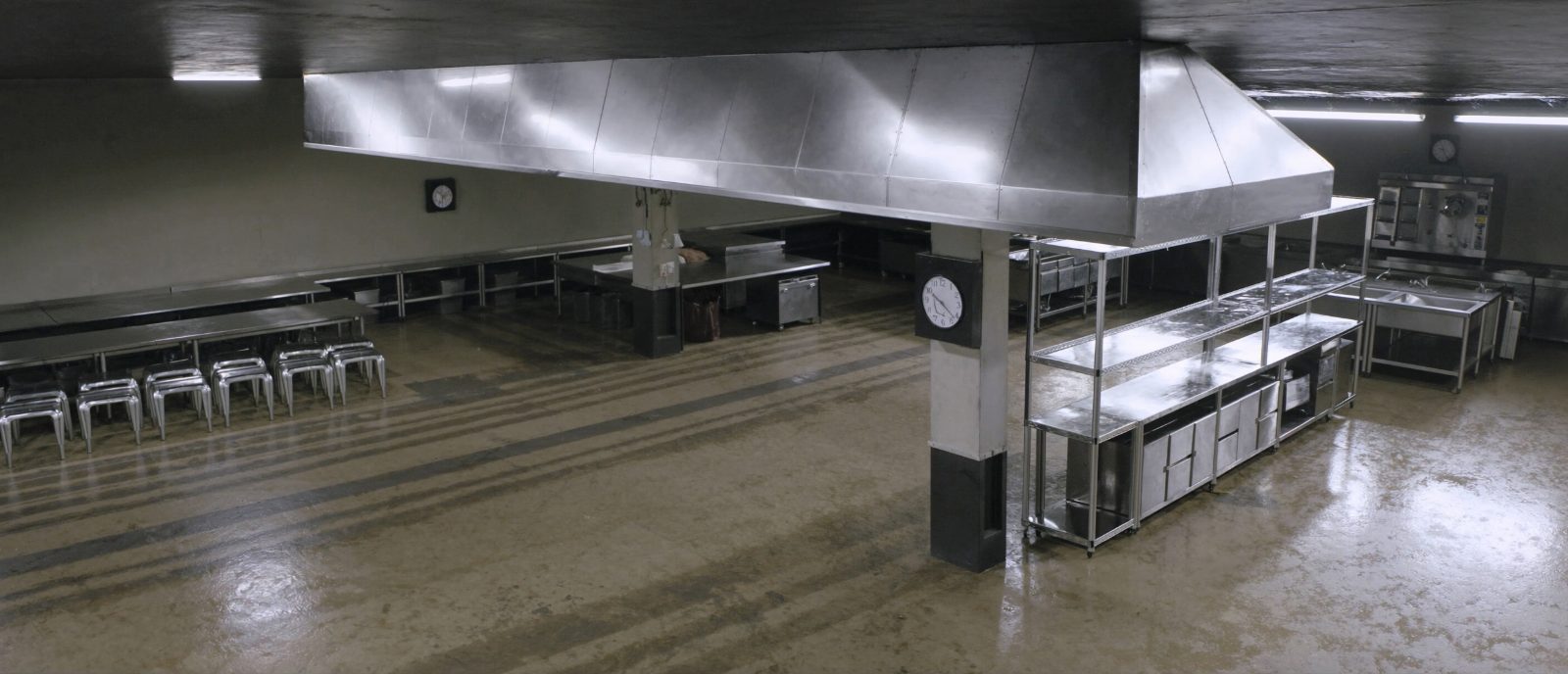
Everything the nightly clean can't reach in 90 minutes.
Kitchens, inside and behind
Oven, microwave and fridge interiors, range hood filters, splashback grout, and the floor behind equipment that hasn't moved in a year.
Amenities, top to bottom
Grout scrubbed, pans and urinals descaled, partitions and hinges detailed, extraction vents cleared, floors machine-scrubbed rather than mopped.
High-touch sanitisation
Door hardware, switches, rails, lift buttons, shared keyboards and phones cleaned first, then sanitised with a listed product at full dwell time.
High dusting and vents
Ceiling vents, light diffusers, ductwork faces, exposed services, ledges and the tops of partitions and joinery.
Neglected plant areas
Bin rooms, cleaner cupboards, comms rooms, dock areas and plant rooms — the spaces that fail a walk-through fastest.
Soft furnishings
Carpet hot-water extraction, upholstery and workstation screen cleaning, and odour treatment where required.
Two steps, in order, with the dwell time respected.
Sanitising a dirty surface achieves almost nothing — organic soil neutralises the chemical before it works. We always clean with detergent first, then apply a TGA-listed sanitiser and leave it for the dwell time on the label. It's slower, and it's the only version that passes a swab.
Scope and shutdown window
We agree the task list and the window — after hours, weekend or shutdown — so trading is never affected.
Clean
Detergent stage: soil, grease and biofilm removed mechanically before any disinfectant touches the surface.
Sanitise
TGA-listed product applied and held at label dwell time on all high-touch and food-contact surfaces.
Evidence pack
Before and after photos plus a signed task sheet, emailed the next morning for your compliance file.
How often does a commercial site need a deep clean?
Most offices book a deep clean every six months, food premises and childcare centres quarterly, and high-traffic amenity blocks every three months. Sites with a nightly contract need it less often because the periodic list already covers part of the work.
What is the difference between cleaning and sanitising?
Cleaning removes soil and organic matter with detergent. Sanitising then reduces surviving microorganisms with a listed chemical held at the correct dwell time. Sanitising an uncleaned surface does very little, which is why the two steps are always done in order.
Does a deep clean disrupt trading?
No. Deep cleans are scheduled after hours, over a weekend or during a shutdown period. Most single-floor offices are completed in one night by a scaled crew.
Can a deep clean be included in our monthly contract?
Yes — that's what our maintenance programs do. The periodic work is costed once a year and spread evenly across twelve invoices, so there's no lumpy bill.
Industries we clean
What it should cost
How we run crews
Book a deep clean before the audit, not after.
Free site walk-through across Brisbane, Gold Coast, Sunshine Coast and Ipswich. Written scope in 48 hours.